• Research
  • About
  • Experts
Carnegie India logoCarnegie lettermark logo
AI
Podcast Episode
Carnegie India

Nuclear Weapons in Space

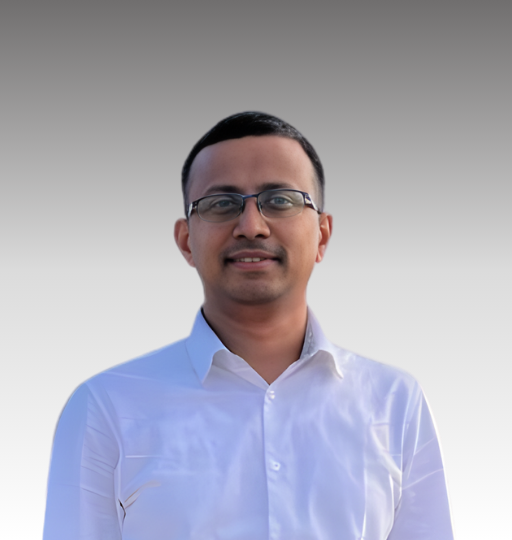
In this episode of Interpreting India, Tejas Bharadwaj, senior research analyst at Carnegie India, speaks with Vipin Narang, Frank Stanton Professor of Nuclear Security and Political Science and director of the Center for Nuclear Security Policy at MIT, on the security implications of placing a nuclear weapon in orbit, why verification is so hard, and what space security means for India and the U.S.

Link Copied
By Tejas Bharadwaj and Vipin Narang
Published on Oct 29, 2026

Subscribe on

SpotifyApple PodcastsAmazon MusicYoutube

This episode is part of our curtain raiser series ahead of the tenth edition of the Global Technology Summit, Carnegie India’s flagship annual event, co-hosted with the Ministry of External Affairs, Government of India, to be held in New Delhi from December 2 to 4, 2026.

In this episode of Interpreting India, Tejas Bharadwaj, senior research analyst at Carnegie India, speaks with Vipin Narang, Frank Stanton Professor of Nuclear Security and Political Science and director of the Center for Nuclear Security Policy at MIT, on the security implications of placing a nuclear weapon in orbit, why verification is so hard, and what space security means for India and the U.S.

This episode explores:

  • How has military competition in space changed over the last decade, particularly with China’s counter-space buildup?
  • Why would a country want a nuclear weapon in orbit, and what would it do to low Earth orbit?
  • How would anyone know whether a satellite carries a nuclear weapon, and is the Outer Space Treaty enough?
  • What does defense space cooperation between India and the U.S. look like?

Episode Note

Vipin begins with the shift he saw while serving at the Pentagon: military competition in space was probably inevitable with the rise of China, and the U.S. and its allies are far more dependent on space than Russia is. That asymmetry, he says, is the only way a nuclear weapon in orbit makes sense, as a brute force anti-satellite weapon. A detonation would affect unhardened satellites in low Earth orbit, with radiation pumped through the Van Allen belt degrading more electronics on every pass, and reconstituting the orbit could take years. He also explains why attribution is difficult. Identifying/differentiating  a nuclear weapon from a radioisotope thermoelectric generator on a satellite constitutes a technical problem, and a satellite approaching to inspect during the subject satellite during a conflict could prompt escalation..

On whether the Outer Space Treaty is enough, Vipin calls himself a reluctant realist. He argues that norms have not stopped Russia before, and that pressure from countries Moscow depends on, notably China and India, is likelier to matter. He says space needs its own escalation ladder because the nuclear domain is not a good analog, and sees room for think tanks and academics to build it, along with classification reforms within the national military so more people can work on these questions. On opportunities for collaboration on Defense space between India and the U.S, he points to the Advanced Domains Defense Dialogue between both countries, the opportunities that India’s launch startups, and how the lessons of Operation Sindoor can offer India incentives to work with the U.S. He notes that  India is still working out what its Defense Space Agency looks like and as it expands, there will be more opportunities in the future to collaborate with the U.S. He closes with the work of the MIT center and his view that nuclear weapons are a problem to be managed.

Hosted by

Tejas Bharadwaj
Senior Research Analyst, Technology and Society Program
Tejas Bharadwaj

Featuring

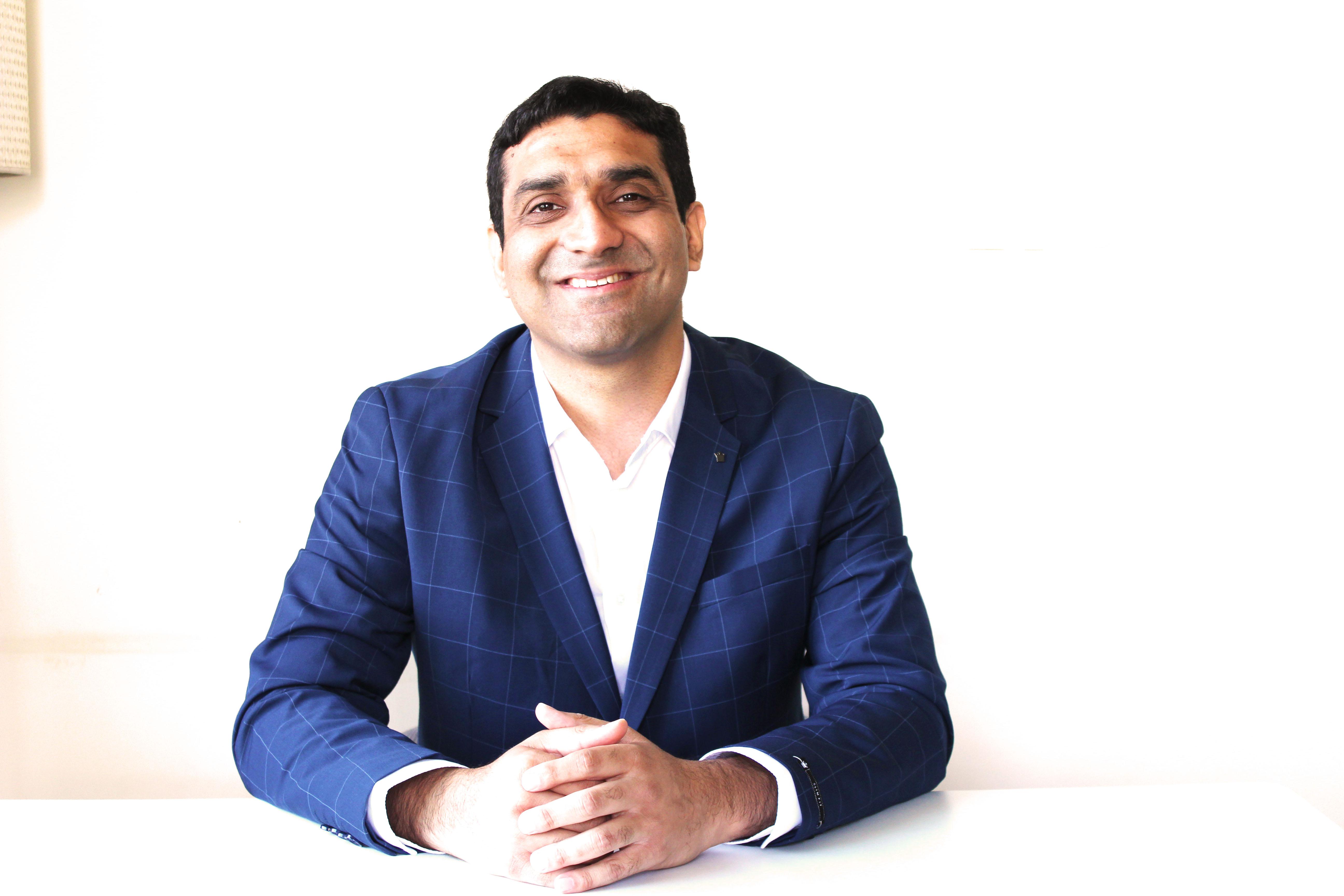
Vipin Narang
Former Nonresident Scholar, Nuclear Policy Program

Carnegie India does not take institutional positions on public policy issues; the views represented herein are those of the author(s) and do not necessarily reflect the views of Carnegie, its staff, or its trustees.

More Work from Interpreting India

  • Podcast Episode
    India, China, and the U.S. in the Age of the Technology Race

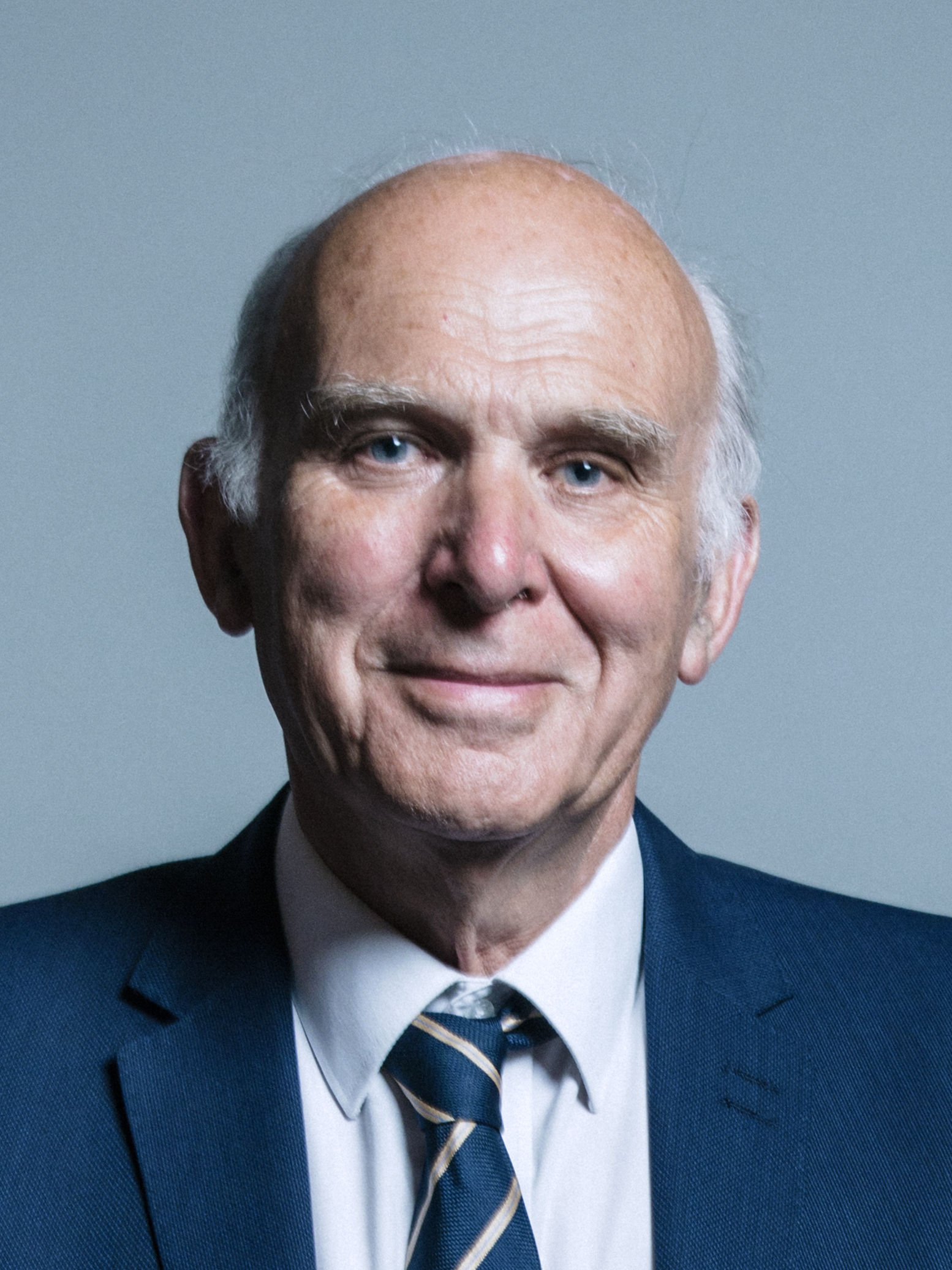
    In this episode of Interpreting India, Dinakar Peri speaks with Vince Cable, former member of Parliament and leader of the Liberal Democrats, and author of Eclipsing the West: China, India and the Forging of a New World, on where the global order is headed, what India’s rise means for the rest of the world, and what trusted partnerships look like in an era of technological competition.

      Dinakar Peri, Vince Cable

  • Podcast Episode
    Subsea Cables, AI Infrastructure, and Africa's Connectivity Gap

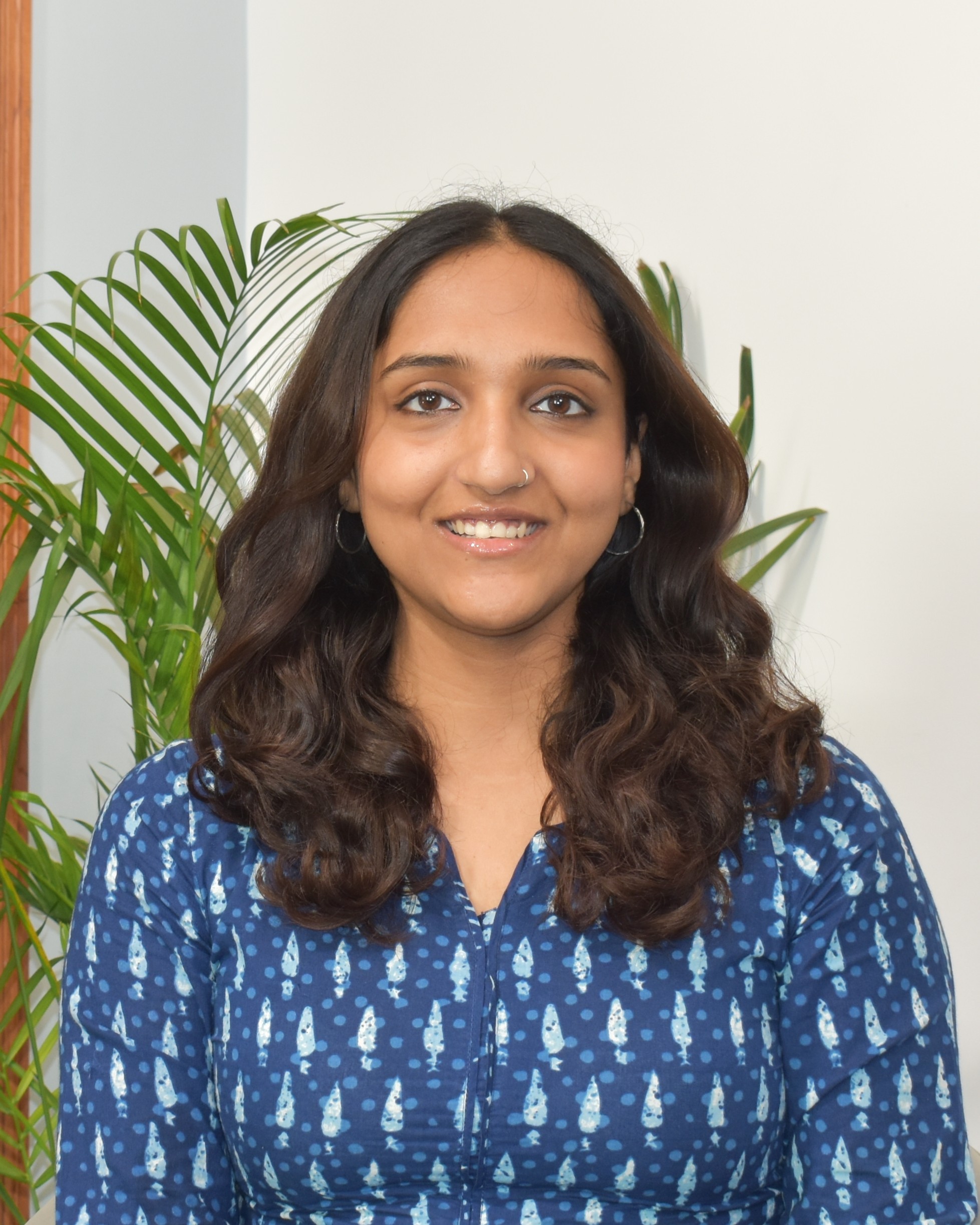
    In this episode of Interpreting India, Charukeshi Bhatt speaks with Jane Munga, fellow with the Africa Program at the Carnegie Endowment for International Peace, on the subsea cable landscape in Africa. With the continent now home to around 77 submarine cables and one of the fastest growing AI infrastructure markets in the world, the conversation moves beyond the headline investment numbers to ask harder questions: who benefits, who governs, and what does resilience actually look like when the cables go down?

      Charukeshi Bhatt, Jane Munga

  • Podcast Episode
    India, Australia, and the Critical Minerals Opportunity

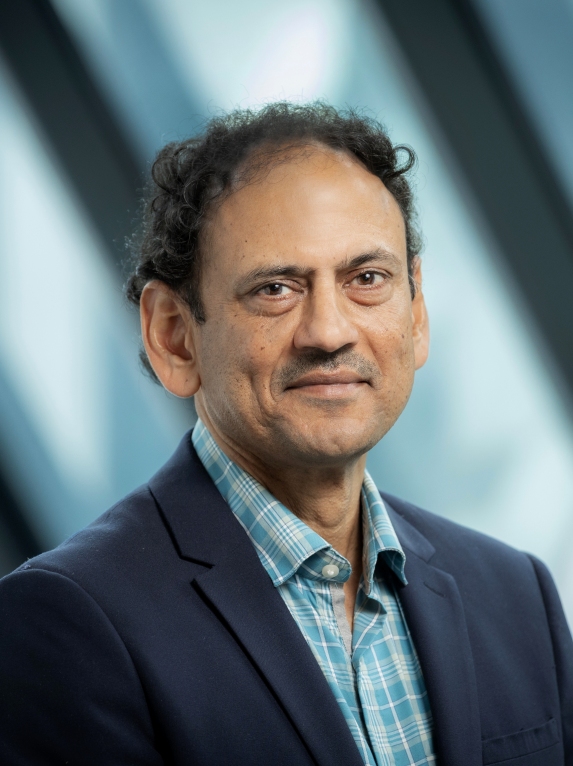
    In this episode of Interpreting India, Shruti Mittal, research analyst at Carnegie India, speaks with Professor Mohan Yellishetty of Monash University on the India-Australia critical minerals partnership, what it has delivered so far, and where the two countries can build the most meaningful cooperation over the next decade.

      Shruti Mittal, Mohan Yellishetty

  • Podcast Episode
    Chokepoints, Economic Warfare, and India's Strategic Options

    In this episode of Interpreting India, Konark Bhandari, speaks with Edward Fishman, author of Chokepoints: American Power in the Age of Economic Warfare, on economic statecraft, how the U.S. built its playbook for economic warfare over time, and what the lessons are for India as it looks to build its own economic resilience. 

      Konark Bhandari, Edward Fishman

  • Podcast Episode
    India's AI Ambitions and the Road to Viksit Bharat | AI Summit Special

    In this episode of Interpreting India, Nidhi Singh, speaks with Debjani Ghosh, distinguished fellow at NITI Aayog and chief architect of the NITI Frontier Tech Hub. With nearly three decades across Intel, NASSCOM, and now NITI Aayog, Debjani brings a perspective that is both deeply practical and genuinely optimistic. She co-chaired the working group on AI for Economic Growth and Social Good at the India AI Impact Summit, and in this conversation she reflects on what the summit delivered, what India's AI journey needs to get right, and why the human being has to stay at the center of all of it.

      Nidhi Singh, Debjani Ghosh

Get more news and analysis from
Carnegie India
Carnegie India logo, white
Unit C-4, 5, 6, EdenparkShaheed Jeet Singh MargNew Delhi – 110016, IndiaPhone: 011-40078687
  • Research
  • About
  • Experts
  • Projects
  • Events
  • Contact
  • Careers
  • Privacy
  • For Media
Get more news and analysis from
Carnegie India
© 2026 Carnegie Endowment for International Peace. All rights reserved.