• Research
  • About
  • Experts
Carnegie India logoCarnegie lettermark logo
AI
Podcast Episode
Carnegie India

India, China, and the U.S. in the Age of the Technology Race

In this episode of Interpreting India, Dinakar Peri speaks with Vince Cable, former member of Parliament and leader of the Liberal Democrats, and author of Eclipsing the West: China, India and the Forging of a New World, on where the global order is headed, what India’s rise means for the rest of the world, and what trusted partnerships look like in an era of technological competition.

Link Copied
By Dinakar Peri and Vince Cable
Published on Oct 15, 2026

Subscribe on

SpotifyApple PodcastsAmazon MusicYoutube
Project hero Image

Project

Security Studies

India’s evolving role in regional and global security is shaped by complex dynamics. Experts in the Security Studies Program examine India’s position in this world order through informed analyses of its foreign and security policies, focusing on the relationship with China, the securitization of borders, and the geopolitics of the Indo-Pacific. 

Learn More

Invalid video URL

This episode is part of our curtain raiser series ahead of the tenth edition of the Global Technology Summit, Carnegie India’s flagship annual event, co-hosted with the Ministry of External Affairs, Government of India, to be held in New Delhi from December 2 to 4, 2026.

In this episode of Interpreting India, Dinakar Peri speaks with Vince Cable, former member of Parliament and leader of the Liberal Democrats, and author of Eclipsing the West: China, India and the Forging of a New World, on where the global order is headed, what India’s rise means for the rest of the world, and what trusted partnerships look like in an era of technological competition.

This episode explores:

  • Cable’s book presents three possible scenarios for the global order—an expanded West (incorporating rising powers like India), rival spheres of influence, or reformed multilateralism. As the West’s share of the global economy shrinks, which of these three scenarios is most plausible?
  • In a world dominated by U.S. and China technologically, how does a country like India navigate the choice of who to work with?
  • What does trust mean in an era of technological competition, and what would trusted partnerships actually look like?
  • What is India’s growth outlook, and what would it take for India to dominate the next generation of global economic shifts?

Episode Note

Since 1990, the West’s share of the global economy has fallen from roughly 60 percent to just under 40 percent. While China has driven much of that shift, Cable argues that India will dominate the next generation of this transition. He presents three scenarios for what comes next: a reinvented global West that incorporates rising powers like India, a multipolar order of competing spheres of influence, and a reinvented multilateralism that reflects the new structure of global power. The scenario he finds most alarming is the one of multipolarity, where no single actor is responsible for the global commons and coordination on climate, trade, and crisis management becomes exponentially harder.

On technology and trusted partnerships, Cable points to a study suggesting China is ahead in the majority of upstream technology areas tracked, with the U.S. and China the only two countries with anything like technological dominance at the frontier. The challenge for countries like India is not just who to work with, but how to balance competition and cooperation, particularly in areas like medicine and renewable energy where collaboration makes more strategic sense than rivalry. On India’s growth outlook, Cable is notably optimistic, pointing to infrastructure investment, a strong digital backbone, a unified domestic market, and a large-educated workforce as the foundations of a fundamentally different trajectory from China, whose structural problems are now very real constraints.

Reading:

  • Eclipsing the West: China, India and the Forging of a New World by Vince Cable

Hosted by

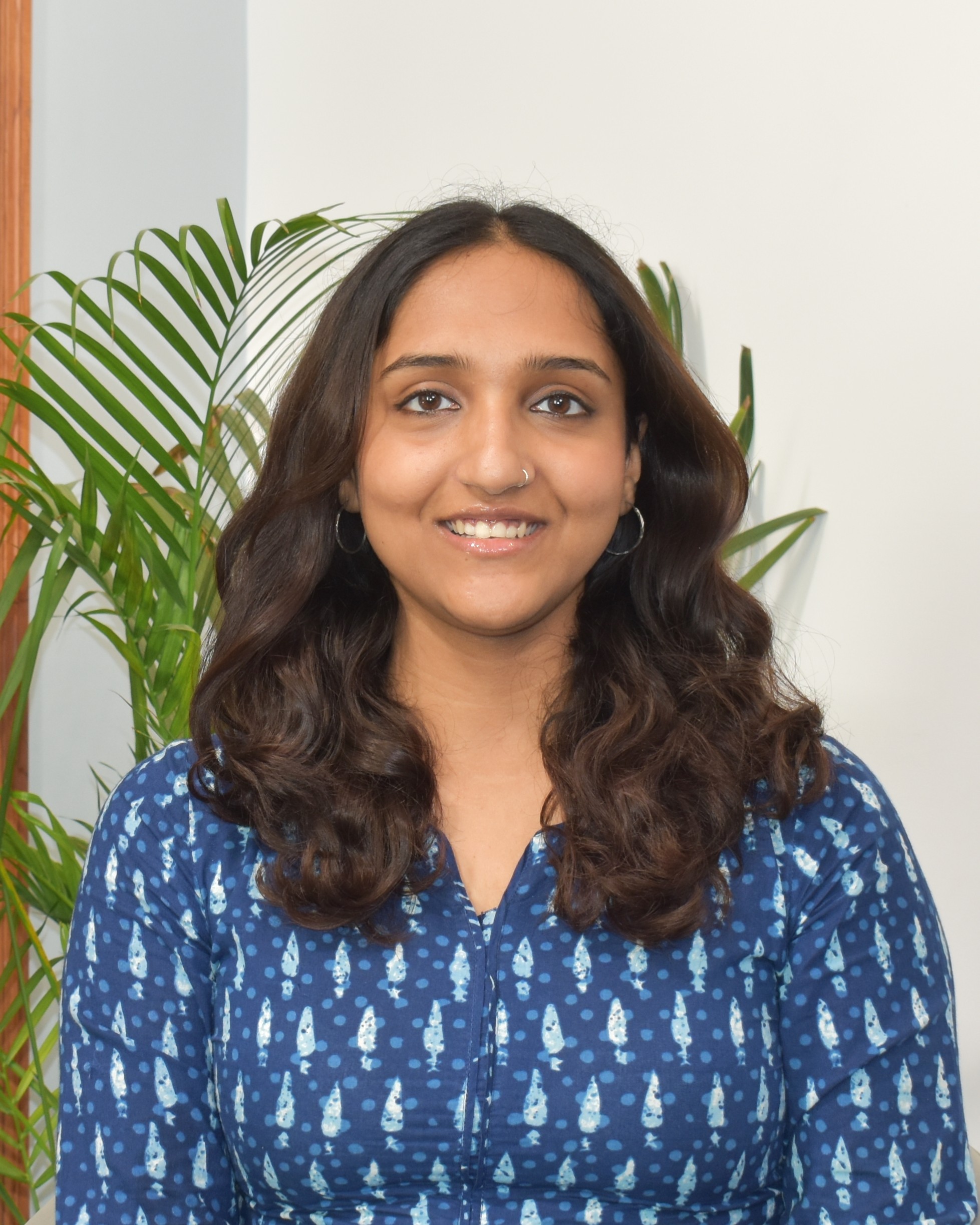
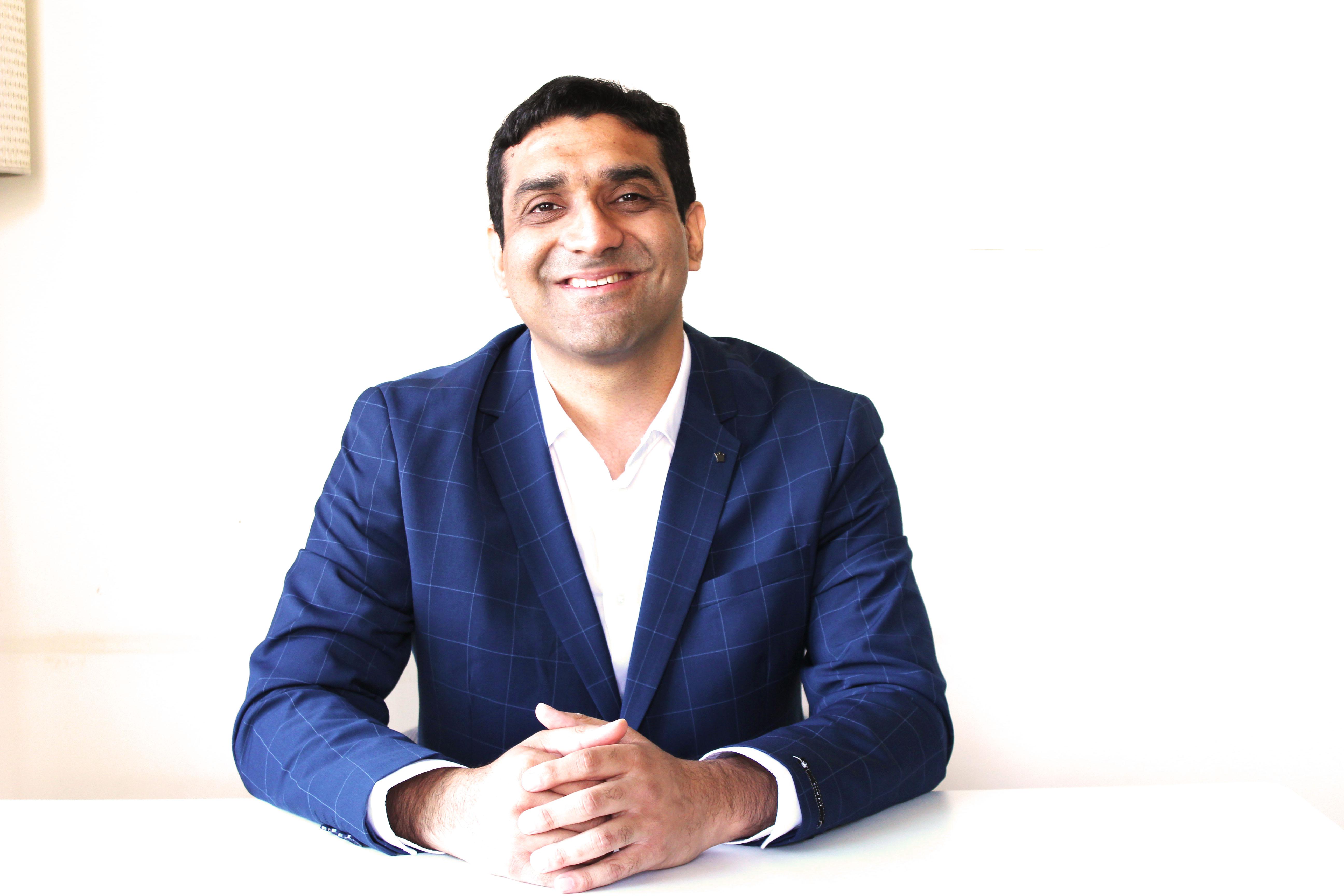
Dinakar Peri
Fellow, Security Studies Program
Dinakar Peri

Featuring

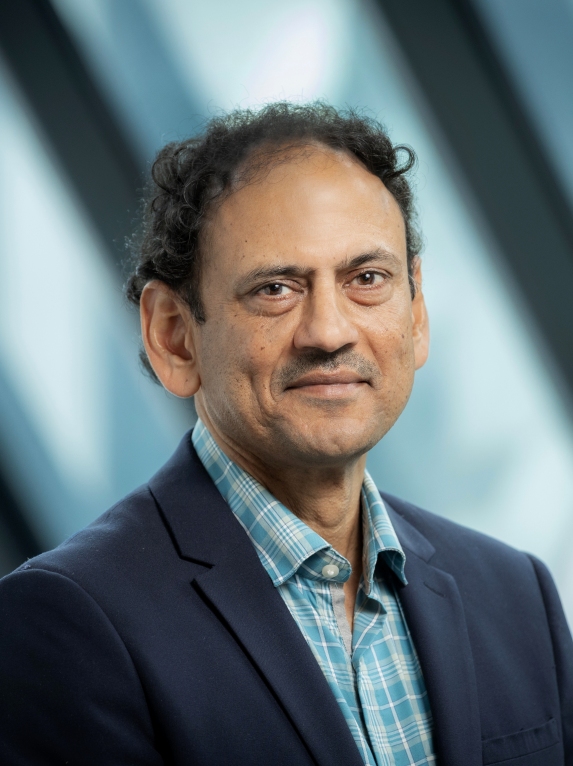
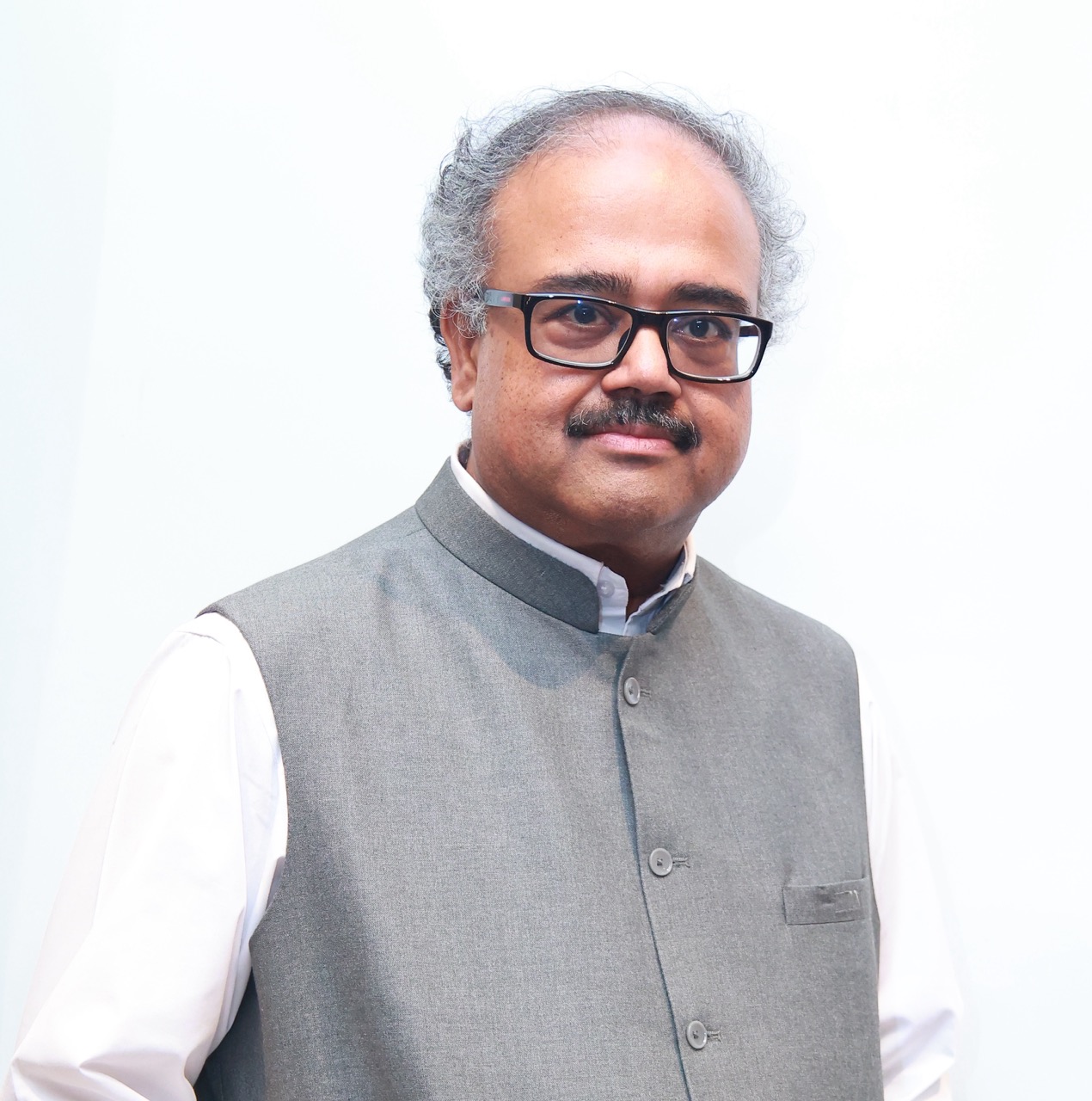
Vince Cable
Professor in Practice, London School of Economics
Vince Cable

Carnegie India does not take institutional positions on public policy issues; the views represented herein are those of the author(s) and do not necessarily reflect the views of Carnegie, its staff, or its trustees.

More Work from Interpreting India

  • Podcast Episode
    Subsea Cables, AI Infrastructure, and Africa's Connectivity Gap

    In this episode of Interpreting India, Charukeshi Bhatt speaks with Jane Munga, fellow with the Africa Program at the Carnegie Endowment for International Peace, on the subsea cable landscape in Africa. With the continent now home to around 77 submarine cables and one of the fastest growing AI infrastructure markets in the world, the conversation moves beyond the headline investment numbers to ask harder questions: who benefits, who governs, and what does resilience actually look like when the cables go down?

      Charukeshi Bhatt, Jane Munga

  • Podcast Episode
    India, Australia, and the Critical Minerals Opportunity

    In this episode of Interpreting India, Shruti Mittal, research analyst at Carnegie India, speaks with Professor Mohan Yellishetty of Monash University on the India-Australia critical minerals partnership, what it has delivered so far, and where the two countries can build the most meaningful cooperation over the next decade.

      Shruti Mittal, Mohan Yellishetty

  • Podcast Episode
    Chokepoints, Economic Warfare, and India's Strategic Options

    In this episode of Interpreting India, Konark Bhandari, speaks with Edward Fishman, author of Chokepoints: American Power in the Age of Economic Warfare, on economic statecraft, how the U.S. built its playbook for economic warfare over time, and what the lessons are for India as it looks to build its own economic resilience. 

      Konark Bhandari, Edward Fishman

  • Podcast Episode
    India's AI Ambitions and the Road to Viksit Bharat | AI Summit Special

    In this episode of Interpreting India, Nidhi Singh, speaks with Debjani Ghosh, distinguished fellow at NITI Aayog and chief architect of the NITI Frontier Tech Hub. With nearly three decades across Intel, NASSCOM, and now NITI Aayog, Debjani brings a perspective that is both deeply practical and genuinely optimistic. She co-chaired the working group on AI for Economic Growth and Social Good at the India AI Impact Summit, and in this conversation she reflects on what the summit delivered, what India's AI journey needs to get right, and why the human being has to stay at the center of all of it.

      Nidhi Singh, Debjani Ghosh

  • Podcast Episode
    Did India's AI Summit Get Safety Right? AI Summit Special

    In this episode of Interpreting India, Nidhi Singh, speaks with Professor Balaraman Ravindran, Head of the Department of Data Science and AI at IIT Madras, and Co-Chair of the Safe and Trusted AI Working Group at the India AI Impact Summit. Since the summit, Professor Ravindran has also been appointed to the UN's Independent International Scientific Panel on AI. There is a narrative that has taken hold since the summit, that India moved away from safety and left frontier risks behind. This conversation sets the record straight.

      Nidhi Singh, Balaraman Ravindran

Get more news and analysis from
Carnegie India
Carnegie India logo, white
Unit C-4, 5, 6, EdenparkShaheed Jeet Singh MargNew Delhi – 110016, IndiaPhone: 011-40078687
  • Research
  • About
  • Experts
  • Projects
  • Events
  • Contact
  • Careers
  • Privacy
  • For Media
Get more news and analysis from
Carnegie India
© 2026 Carnegie Endowment for International Peace. All rights reserved.